The Digital Shift: Why 3D Scanning is the New Standard for O&P Clinics
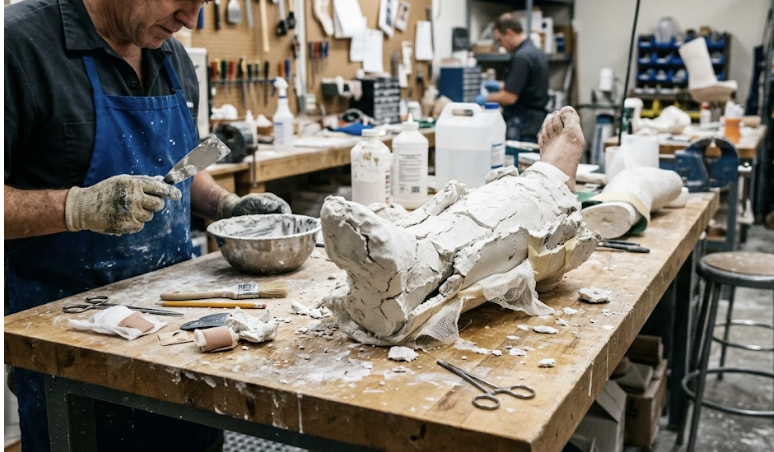
In today’s rapidly evolving healthcare landscape, Orthotic and Prosthetic (O&P) clinics are under more pressure than ever to deliver precise, efficient, and patient-centered care. While 3D scanning was once a luxury reserved for high-end research institutions, it has officially moved into the mainstream.
Modern 3D scanning is now accessible, affordable, and—most importantly—practical for clinics of all sizes. Here is why making the switch from plaster to digital is the most strategic move your clinic can make this year.
Breaking the Barriers of Traditional Scanning
For years, medical 3D body scanning relied on bulky, high-end laser systems. While accurate, these systems came with two major deal-breakers:
- High Costs: Price tags often started at $10,000.
- Space Constraints: Their large physical footprints required dedicated scanning rooms.
Recent advancements in portable 3D scanning have shattered these barriers, offering high-end performance in a compact, cost-effective package.
Speed That Transforms Your Workflow
One of the most immediate benefits of 3D scanning is the sheer speed of data acquisition. While plaster casting is messy and time-consuming, a digital scan can be completed in under 15 seconds.
This isn't just about saving a few minutes; it’s about transforming the patient experience. For pediatric patients, individuals with limited mobility, or those in significant pain, minimizing the time spent in static or awkward positions is invaluable. Faster scans lead to shorter appointments, happier patients, and a more efficient office.
Accuracy You Can Trust
In the O&P world, precision is non-negotiable. Industry standards suggest that digital devices should have an error margin comparable to a negative plaster cast—roughly 2 mm.
Modern scanners, like the Structure Sensor 3, meet and often exceed this benchmark. By capturing thousands of frames and using "closed-loop" scanning paths, these systems average the data to reduce noise and variability. The result? Highly consistent anatomical models that ensure a perfect fit for every orthosis or prosthesis.
Decentralizing Care: From Lab to Field
Because modern scanners are portable and iPad-compatible, they allow for a "decentralized" model of care. You no longer need a specialized room to get a professional result.
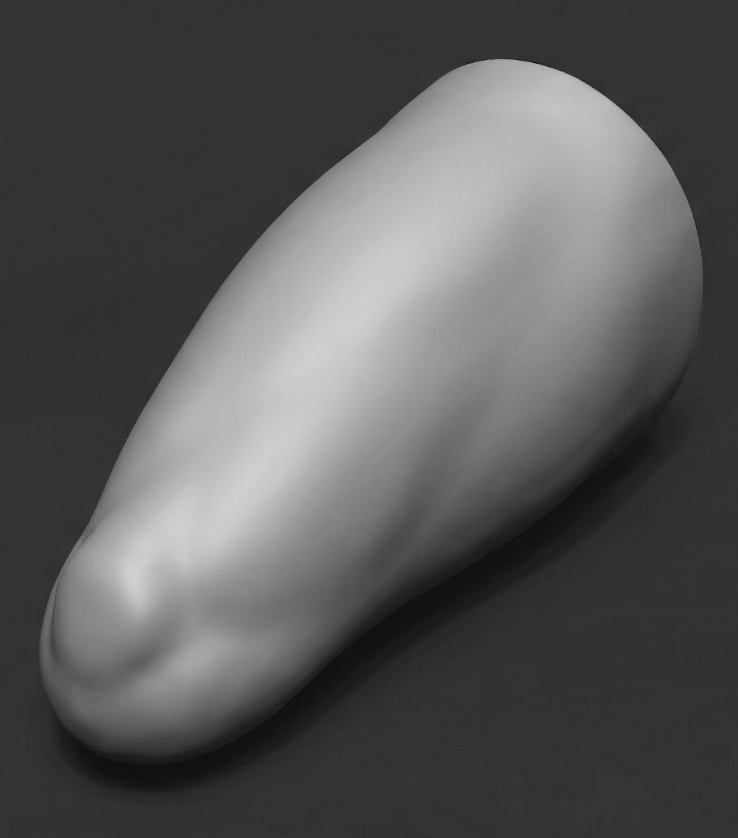 Satellite Clinics: Easily deploy scanning technology to smaller offices or outreach locations.
- Seamless Collaboration: Digital files can be instantly shared with fabrication labs, reducing lead times and eliminating the need for repeat visits.
- Easy Storage: Say goodbye to shelves full of physical molds. Your "cast room" is now a secure digital folder.
Improving the Patient Experience
Beyond the clinical metrics, 3D scanning simply looks and feels better to the patient.
here is no plaster mess, no "hacksaw" removal of the cast, and zero risk of distortion during the process. When patients see modern technology in action, it reinforces their confidence in the quality of care they are receiving.
Step Into the Future of O&P
Transitioning to 3D scanning is more than just a tech upgrade—it is a commitment to delivering modern, digital-first care. By reducing costs and increasing accuracy, you can focus on what matters most: your patients.
Ready to modernize your clinic? Learn more about our expert team and see how the Structure Sensor 3 can revolutionize your workflow today.