Custom Orthotics & Prosthetics: How 3D Scanning is Personalizing Healthcare
For decades, the standard for creating a custom brace or prosthetic limb involved "the mess." Patients would sit for an hour, wrapped in cold, wet Plaster-of-Paris bandages, waiting for a mold to harden. While this method served the industry for over a century, a digital revolution is currently taking place in clinics worldwide.
3D scanning is no longer a futuristic concept—it is the new gold standard for patient-centered care. Here is how this technology is fundamentally changing the O&P landscape.
Precision Over Plaster
The primary goal of any orthotic or prosthetic device is a perfect fit. Traditional plaster can shrink, expand, or warp during the drying and shipping process. In contrast, 3D scanning captures the "digital twin" of a patient’s anatomy with sub-millimeter accuracy.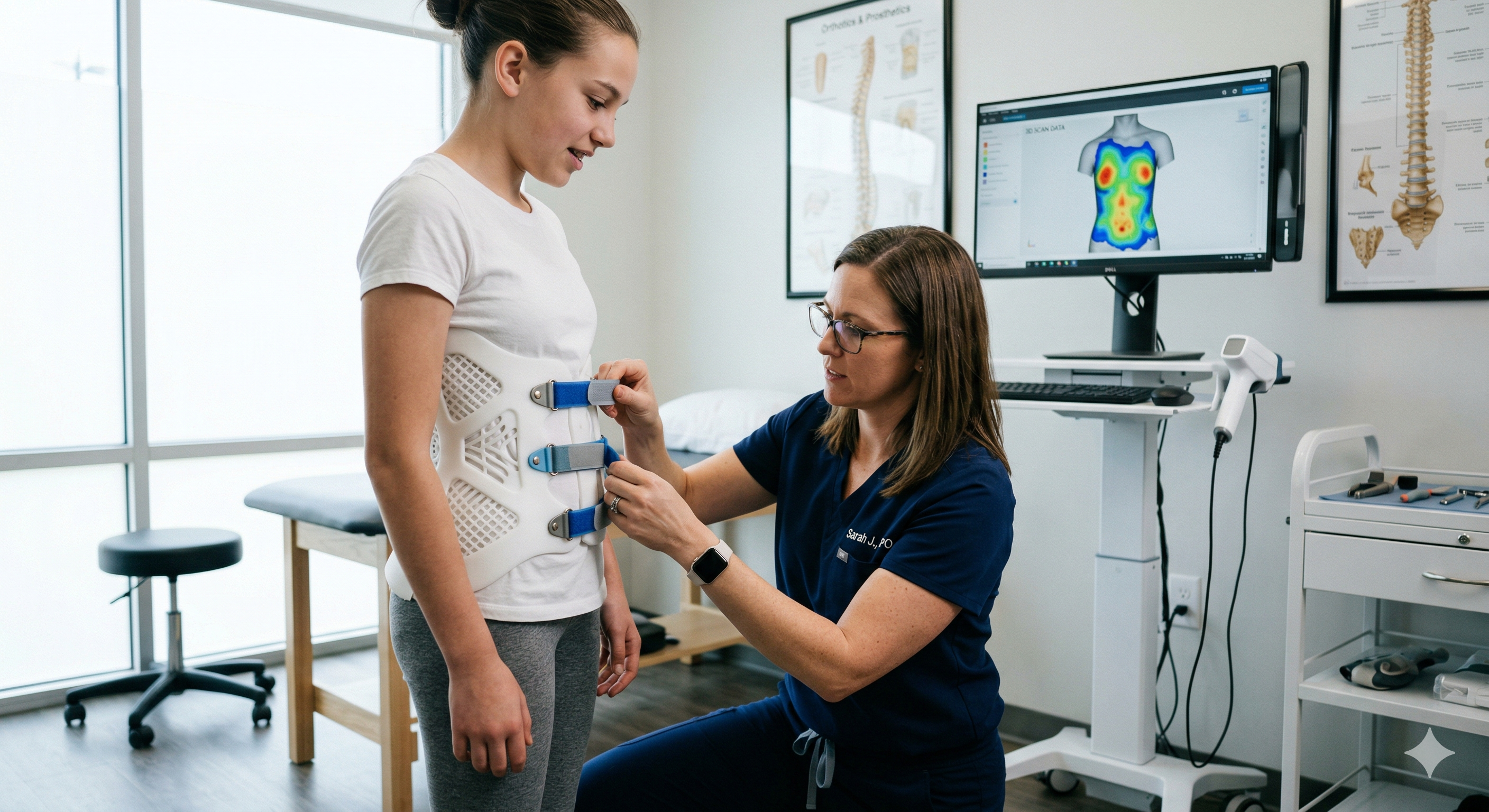
According to Boston Orthotics & Prosthetics, the transition to scanning and CAD/CAM (Computer-Aided Design and Manufacturing) has led to "better detail for a more precise fit" and significantly improved patient comfort. Their clinicians note that families often ask what has changed because the devices—particularly scoliosis braces—fit so much better than previous versions (Boston O&P, 2026).
A Focus on Patient Comfort and Dignity
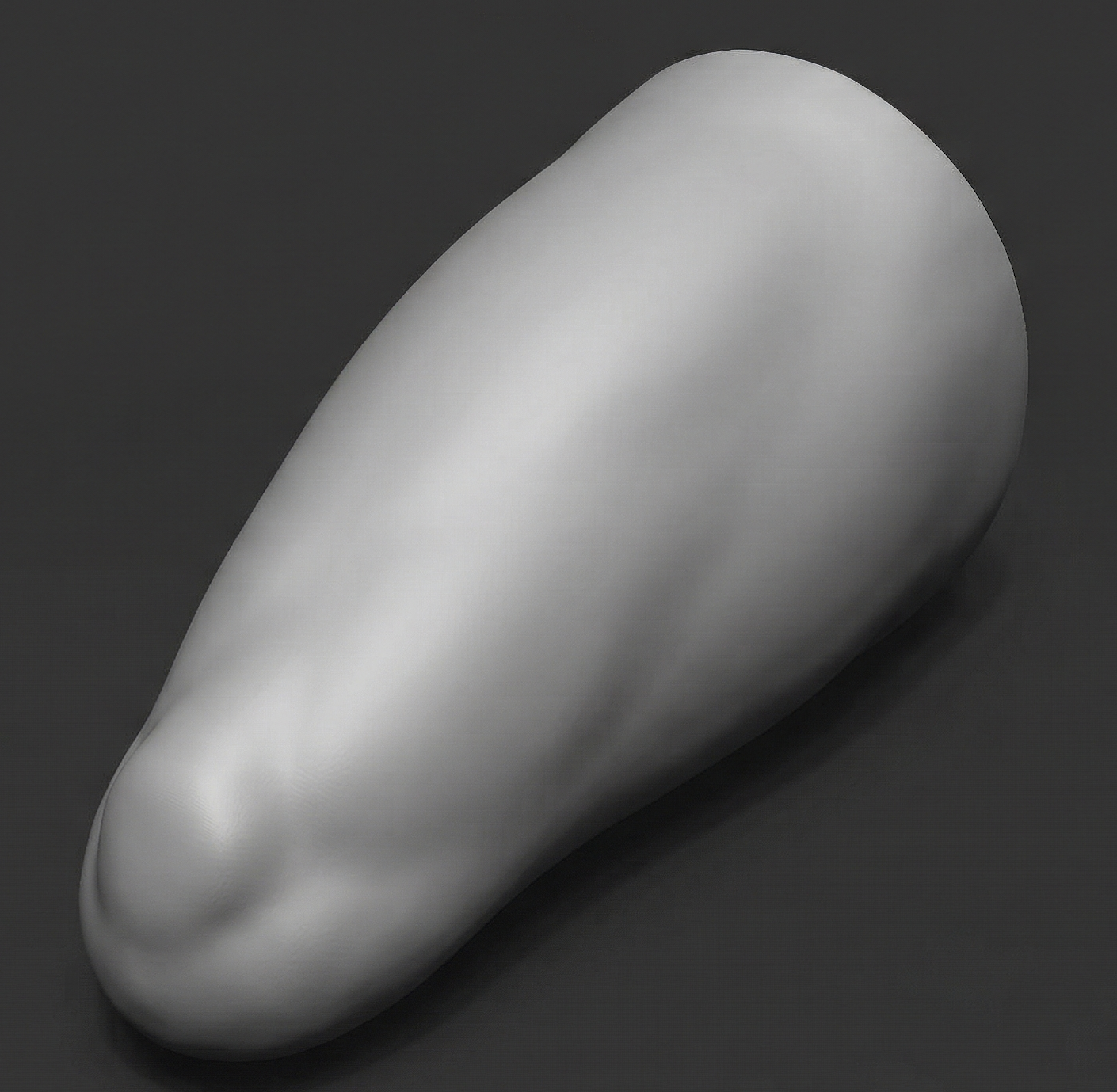
For many patients, especially those who have recently undergone surgery or children with sensory sensitivities, physical casting can be traumatic or painful.
Hanger Clinic utilizes the Insignia™ Laser Scanning System, which offers a completely non-contact experience. This is vital for post-surgical patients where manual handling of a residual limb could cause pain or distort soft tissue. By using light instead of physical pressure, specialists can capture the "true shape" of the limb without the deformation caused by manual molding (Hanger Clinic, 2026).
Radical Efficiency: The "30-to-2" Rule
Time is a critical factor in healthcare. Data from industry leaders like TechMed 3D and KevinRoot Medical shows a dramatic shift in clinical efficiency:
- Traditional Casting: Often takes 10–30 minutes of "hands-on" time, plus significant cleanup of the clinic and the patient.
- 3D Scanning: A full limb scan can be completed in less than 2 minutes (KevinRoot Medical).
This speed doesn't just benefit the practitioner; it means patients spend less time in the exam room and receive their custom devices much faster since digital files are sent to fabrication labs instantly.
The Gateway to Advanced Manufacturing
The scan is only the beginning. Once a clinician has a high-resolution digital file, they can utilize 3D printing and generative design.
Brent Wright, CPO, a leading expert in the field, highlights that 3D scanning allows for "complex geometries that were previously impossible," such as lightweight, breathable lattice structures that improve both performance and skin health (CDFAM, 2024).
Comparison: At a Glance
|
Feature |
Traditional Plaster |
3D Scanning |
|---|---|---|
|
Accuracy |
Subject to human error/material shrinkage |
Sub-millimeter precision ($<0.5$ mm) |
|
Cleanliness |
Messy (plaster, water, dust) |
Completely clean and digital |
|
Speed |
15–30 minutes |
1–3 minutes |
|
Data Tracking |
Physical molds (hard to store/compare) |
Digital files (easy to track changes over time) |
The Verdict
The shift toward 3D scanning is more than just a tech upgrade; it’s a commitment to better patient outcomes. As specialists continue to move away from the "one size fits most" era, the combination of digital scanning and custom fabrication ensures that every patient receives a device as unique as their own DNA.